 Search
MINISTRY OF EDUCATION
OF THE REPUBLIC OF BELARUS

Education for the future of the country
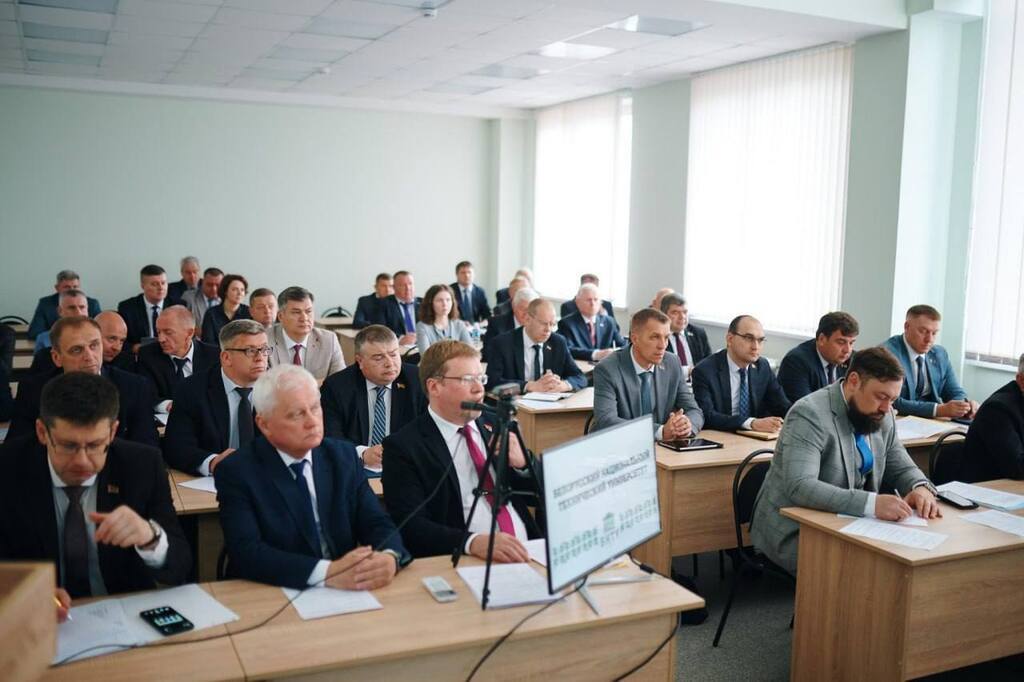
How will universities and enterprises of the Ministry of Energy work within the framework of the Engineering Education Concept until 2035? This was discussed today at an off-site meeting at the Belarusian National Technical University.
Infrastructure is already being modernized: competency centers and a new building for the BNTU Faculty of Power Engineering have been inaugurated. But the main focus now is maximizing the integration of education with real-world production.
Key results and agreements:
* Infrastructure: BNTU will equip its High Voltage Engineering laboratory, open a competency center for gas supply systems, and open a student design bureau. A branch of the Belenergo joint training center will also be established on campus.
* "Study and Work" initiative: curricula will be adjusted to allow students to simultaneously master in-demand blue-collar jobs (already in 9 areas!). We will provide grant and scholarship support and expand opportunities for formal employment in senior years.
* Practical teachers: amendments will be made to the Labor Code to allow enterprise specialists to teach classes without interruption from work and with full pay.
* On-the-job training: study of specialized subjects, student internships, and advanced training for teachers will be organized directly at Belenergo enterprises.
* Science: joint R&D will be launched to address real-world production needs and the work of department branches will be intensified.
Industry companies will provide additional financial incentives: grants and stipends for students and faculty. Furthermore, BNTU is considering creating a corporate training center for current industry employees.
Main focus: universities train specialists to meet specific industry needs, while companies directly participate in the educational process